tech
NASA launches new mission to get the most out of the James Webb Space Telescope
“It was not recognized how serious a problem that is until… about 2017 or 2018.”
TL;DR
- The James Webb Space Telescope is designed to find habitable exoplanets by detecting molecules in their atmospheres.
- Stellar variability, such as star spots and flares, can contaminate exoplanet atmospheric readings, creating uncertainties.
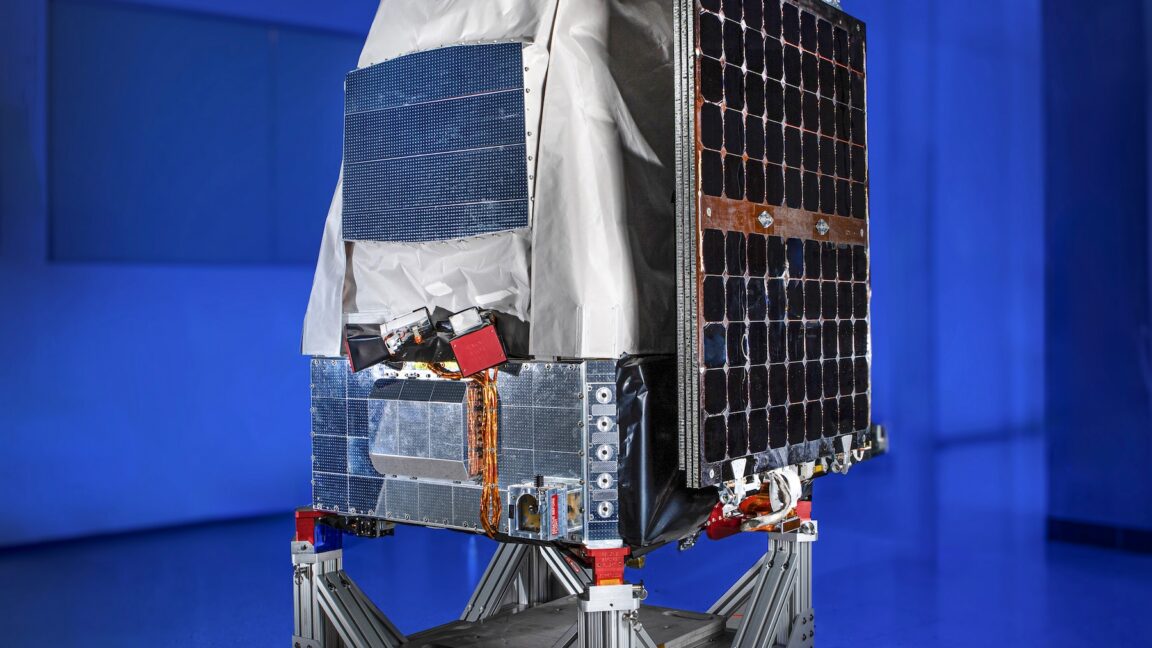
- The Pandora satellite will observe exoplanets and their host stars simultaneously to correct for stellar interference.
- Pandora's observations will help calibrate Webb's data, increasing confidence in the detection of molecules like water vapor on exoplanets.
- Pandora is significantly smaller and less expensive than Webb, costing $20 million compared to Webb's over $10 billion.
- The development of smaller, more affordable satellites and launch services has enabled missions like Pandora.
- Pandora will focus on a sample of 20 preselected exoplanets during its one-year prime mission.
- Accurate exoplanet atmospheric data is crucial for determining if Earth-like planets host life.