tech
Scientists built an AI co-pilot for prosthetic bionic hands
Managing each finger separately can, with the right sensors, ease control issues.
TL;DR
- Up to 50% of upper limb amputees abandon bionic hand prostheses due to control issues.
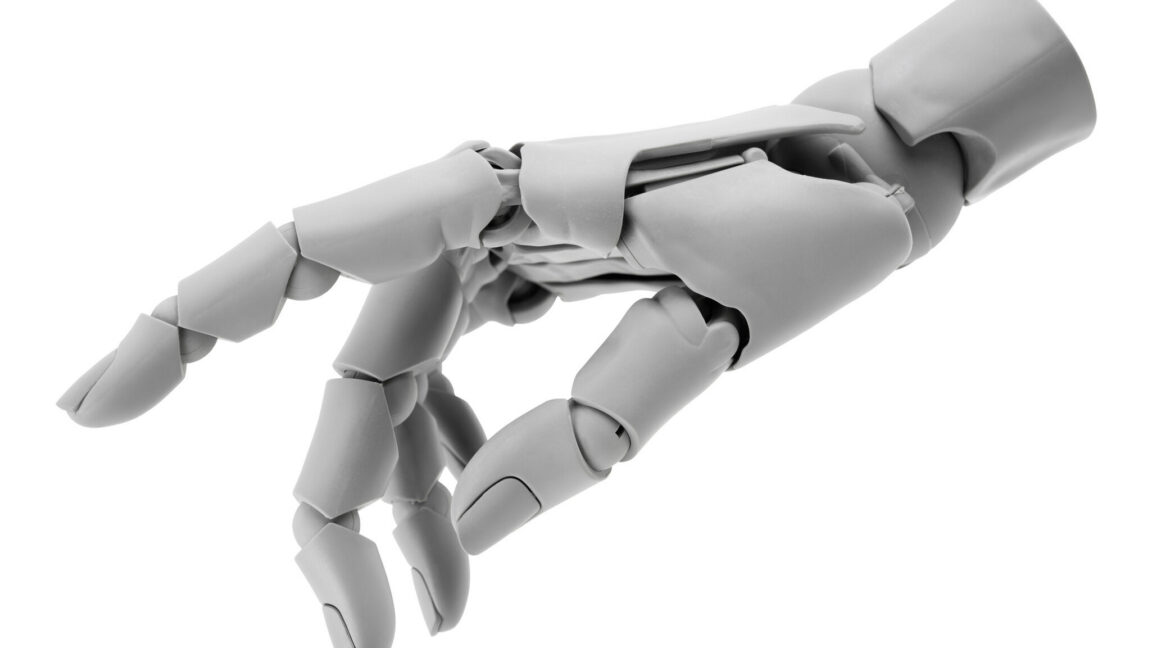
- A new AI co-pilot system was developed to make bionic hands more intuitive.
- The AI system is integrated with custom sensors in the fingertips to detect proximity and measure grip force.
- The AI controller processes sensor data to move joints and adjust grip, achieving natural grasping patterns.
- The approach focuses on shared control, where the AI assists the user subtly, allowing the user to remain in charge.
- Testing showed an increase in success rates from 10-20% to 80-90% when using the AI assistant.
- Future steps involve real-world testing and improving neural interfaces for better control.
- The goal is to combine AI, robotics, and neural interfaces into a market-ready device.