tech
Angry Norfolk residents lose lawsuit to stop Flock license plate scanners
Plaintiffs called Norfolk’s Flock camera network a “dragnet.”
TL;DR
- A federal judge in Virginia ruled that the City of Norfolk's use of nearly 200 automated license plate readers (ALPRs) from Flock is constitutional.
- The lawsuit, *Schmidt v. City of Norfolk*, claimed the ALPR system constituted a "dragnet surveillance program" that violated privacy rights.
- US District Court Judge Mark S. Davis dismissed the case, stating the plaintiffs could not demonstrate the system tracks a person's entire movements.
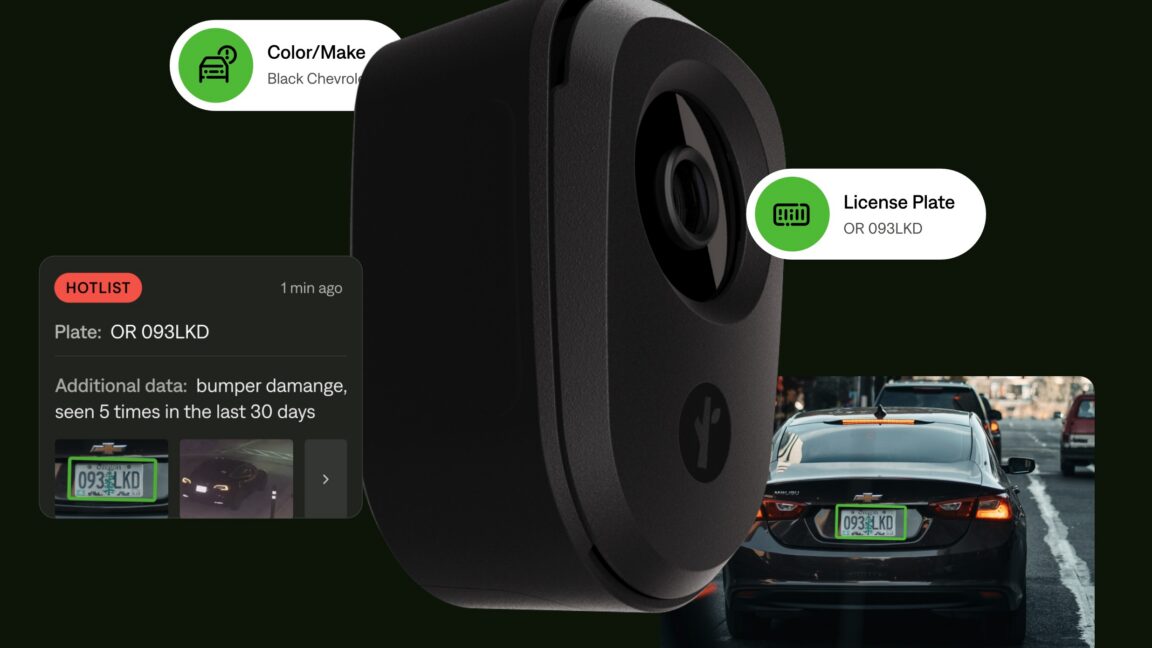
- Flock Safety, the vendor, is a large and sophisticated ALPR provider whose technology can capture make, model, and other visual details, searchable via AI.
- Some jurisdictions have ended contracts with Flock due to privacy concerns, while others, including senators, have expressed grave concerns about potential abuse.
- The judge referenced *Knotts v. United States* (1983), a Supreme Court case finding no "reasonable expectation of privacy" on public roads, as legal underpinning for ALPR use.
- Attorneys for the plaintiffs argue modern ALPR systems track movements of virtually every driver within a city for weeks, providing extensive insights.
- Flock Safety celebrated the ruling, stating that ALPRs, when used with safeguards, do not provide an intimate portrait of a person's life.
- Legal scholars disagree, calling the ruling "conservative and dangerous" and warning that it could justify ALPR cameras on every street corner, eroding privacy by revealing movements outside sensitive locations.
- The Institute of Justice, representing the plaintiffs, vowed to appeal the ruling.