tech
How Louvre thieves exploited human psychology to avoid suspicion—and what it reveals about AI
For humans and AI, when something fits the category of “ordinary,” it slips from notice.
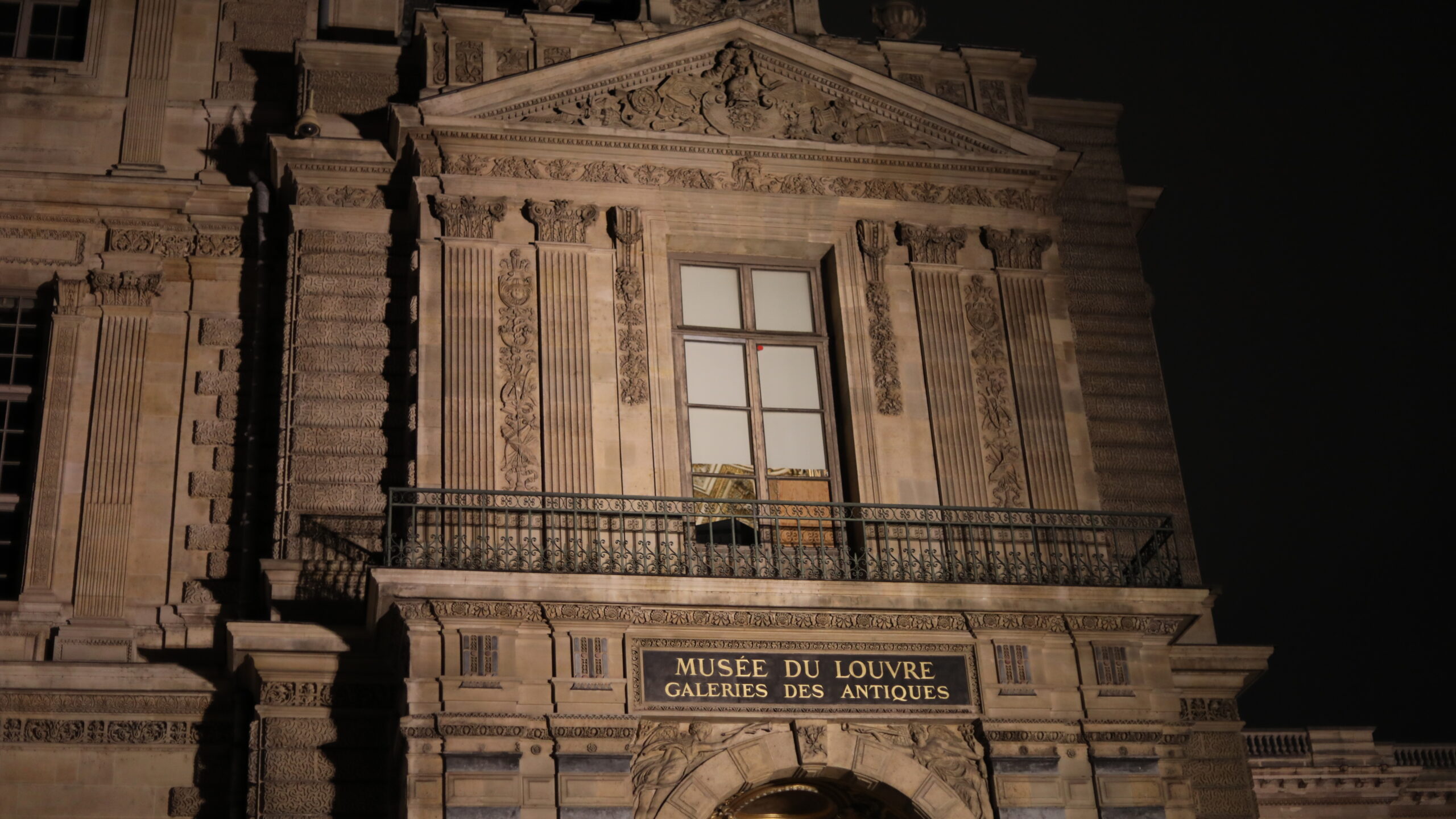
TL;DR
- Four men stole crown jewels worth 88 million euros from the Louvre in under eight minutes by posing as construction workers.
- Their disguise, using hi-vis vests and a furniture lift, exploited the human tendency to see what is expected, fitting a 'normal' category.
- This strategy mirrors how AI systems, trained on data reflecting human categories, can be vulnerable to bias and make similar mistakes.
- AI systems can disproportionately flag certain groups as suspicious if they don't fit the statistical norm learned from training data.
- Both human perception and AI rely on categorization and pattern recognition, which are efficient but imperfect, encoding cultural assumptions.
- The Louvre heist demonstrates that AI algorithms are mirrors reflecting our social categories and hierarchies.
- The thieves succeeded by mastering the sociology of appearance, using categories of normality as tools.
- The lesson is that we must first question our own ways of seeing before teaching machines to see better.