tech
How Louvre thieves exploited human psychology to avoid suspicion—and what it reveals about AI
For humans and AI, when something fits the category of “ordinary,” it slips from notice.
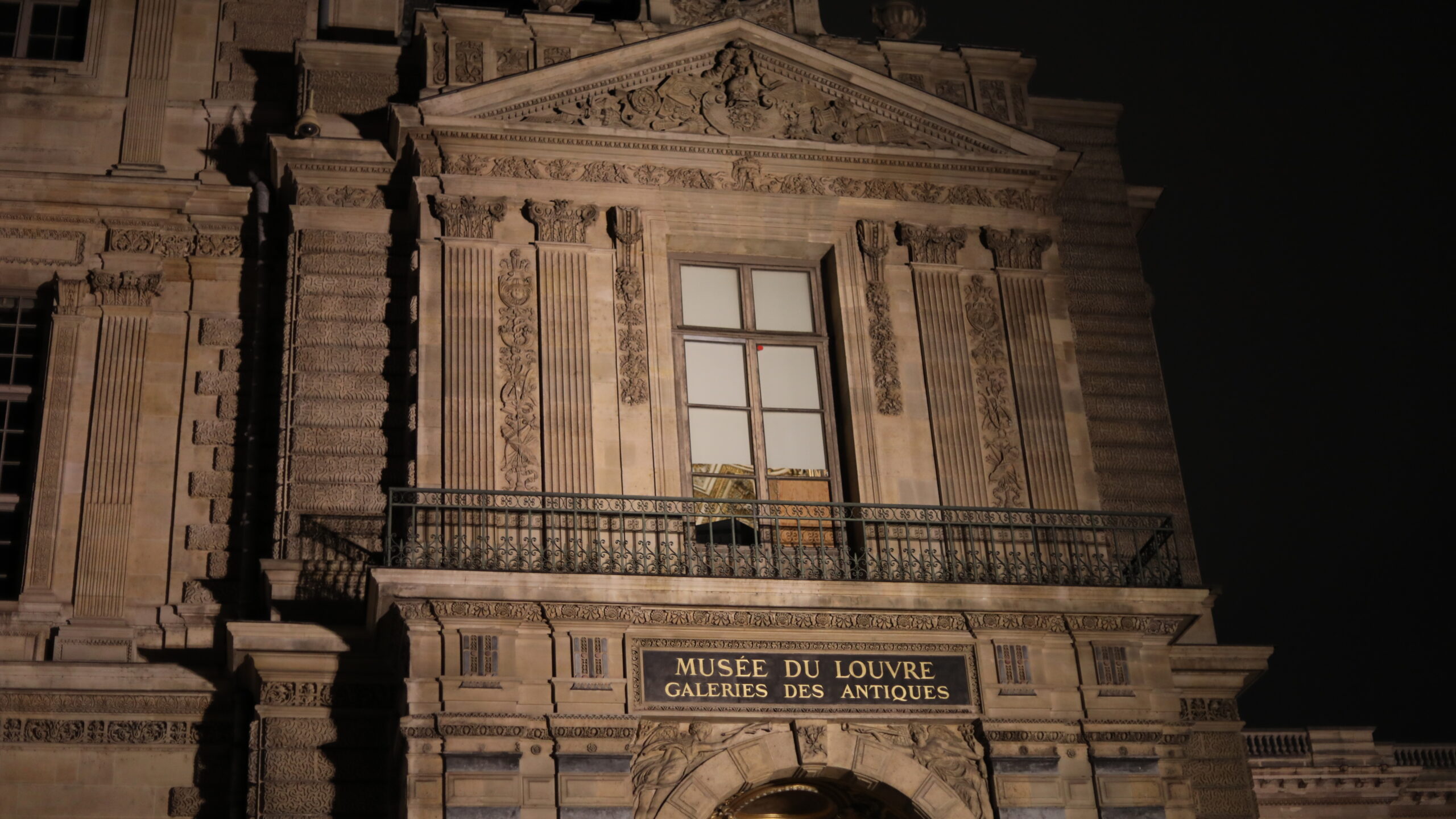
TL;DR
- Thieves stole jewels worth 88 million euros from the Louvre Museum in under eight minutes by posing as construction workers.
- Their disguise exploited human tendency to categorize and expect normalcy, preventing immediate suspicion.
- AI systems operate similarly, relying on learned patterns and data categories, making them vulnerable to bias.
- Both human perception and AI can overlook threats that fit "normal" categories while over-scrutinizing those that don't.
- AI algorithms reflect societal categories and hierarchies present in their training data.
- The heist serves as a reminder that security systems, even advanced ones, will continue to rely on categorization and can perpetuate blind spots if based on biased assumptions.
- The success of the thieves demonstrated a triumph of categorical thinking, common to both human perception and AI.